


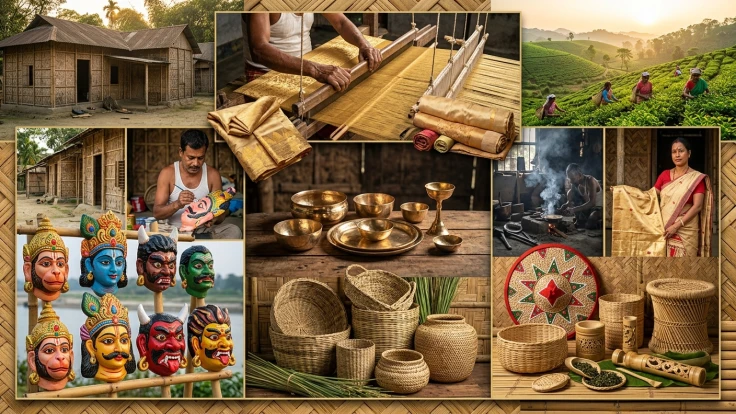
Assam is often celebrated for its breathtaking tea gardens, mighty Brahmaputra River, and rich cultural heritage.
But hidden within its villages, towns, and artisan communities are centuries-old crafts that tell the story of a land shaped by creativity, tradition, and resilience.
Through the One District One Product (ODOP) initiative, these unique regional treasures are receiving national and global recognition.
Each district has its own identity, craftsmanship, and specialty passed down through generations.
Let's explore some of Assam's most remarkable hidden treasures.
What is One District One Product (ODOP)?
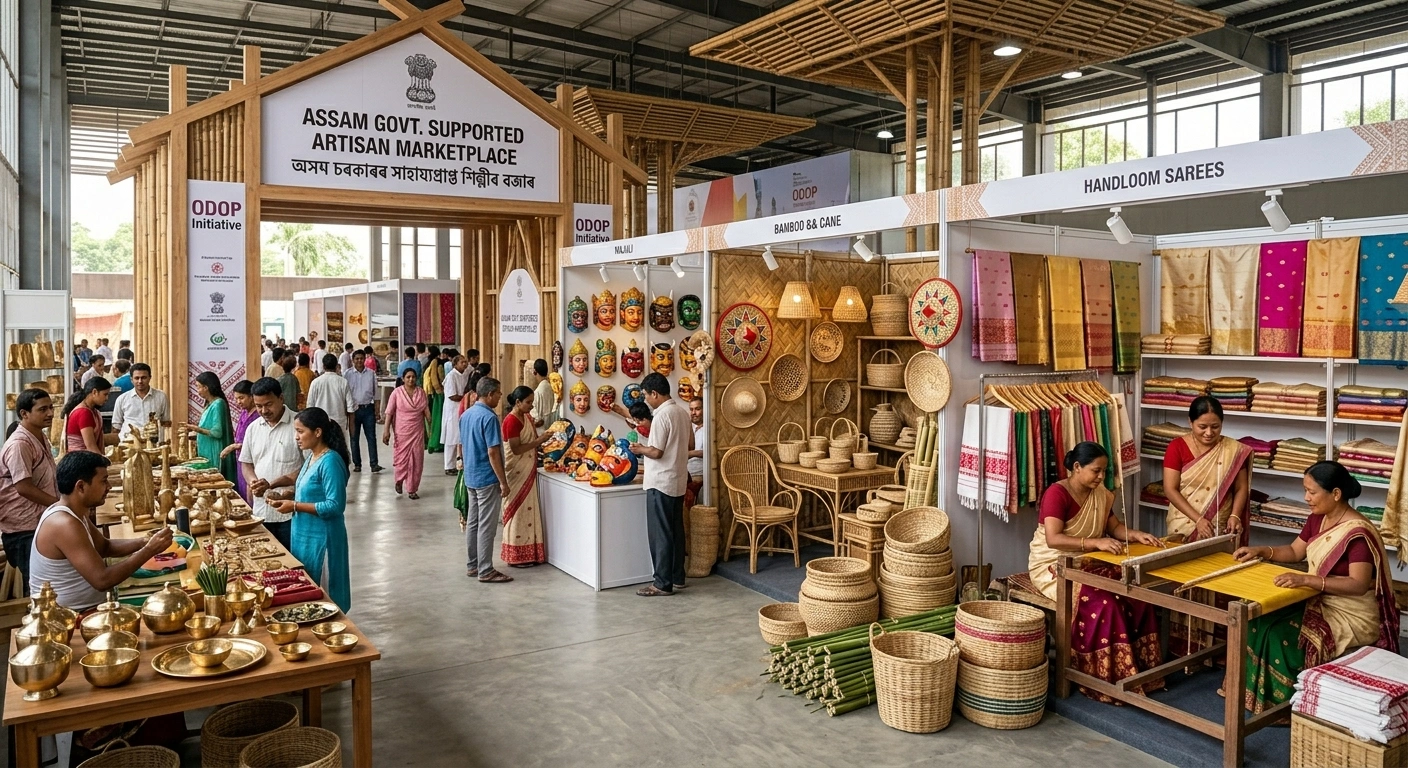
The ODOP initiative promotes products that represent the unique strengths of a specific district.
Its objectives include:
For Assam, ODOP is more than economic development.
It is about preserving cultural identity.
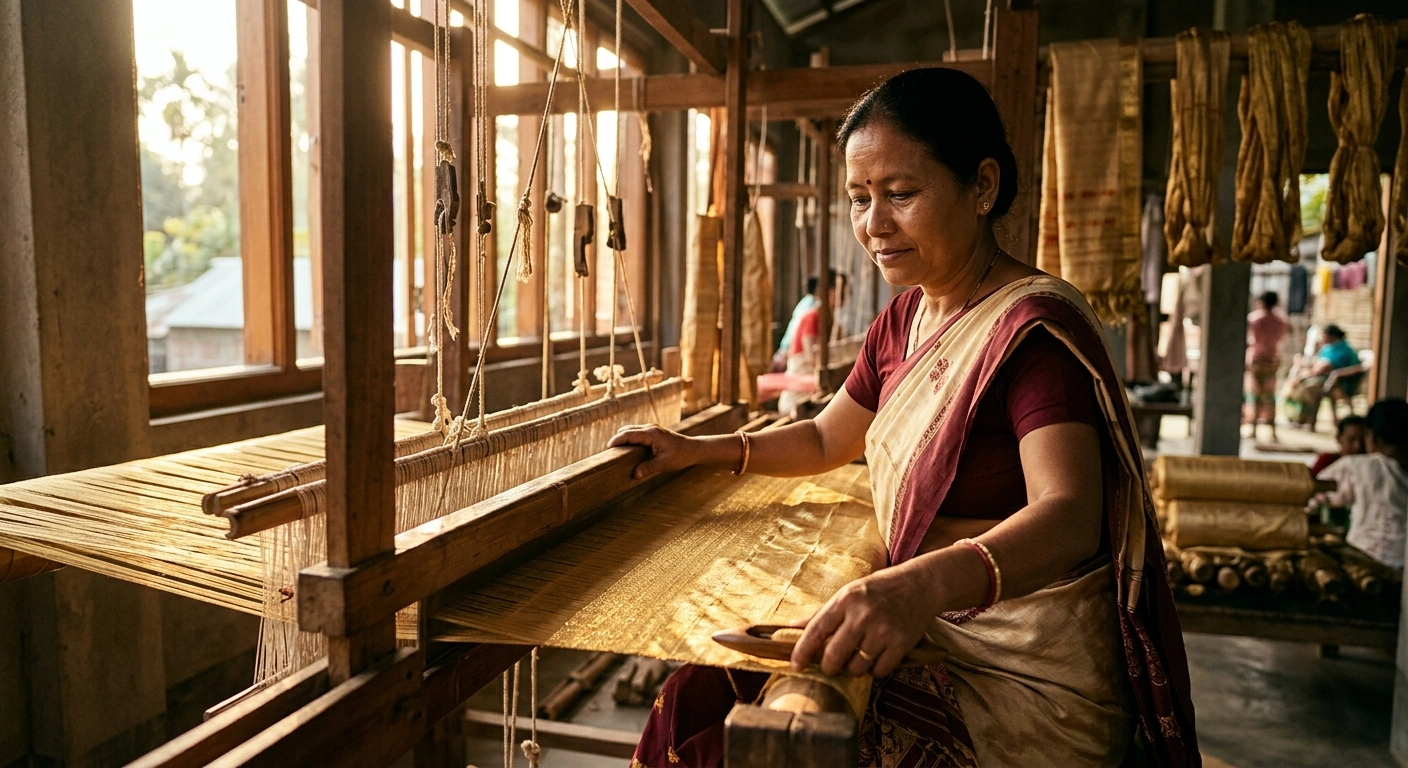
Sualkuchi is known worldwide as the "Manchester of the East."
It is the heart of Assam's silk weaving tradition.
The village produces:
Many luxury fashion designers value Muga Silk for its elegance and heritage.
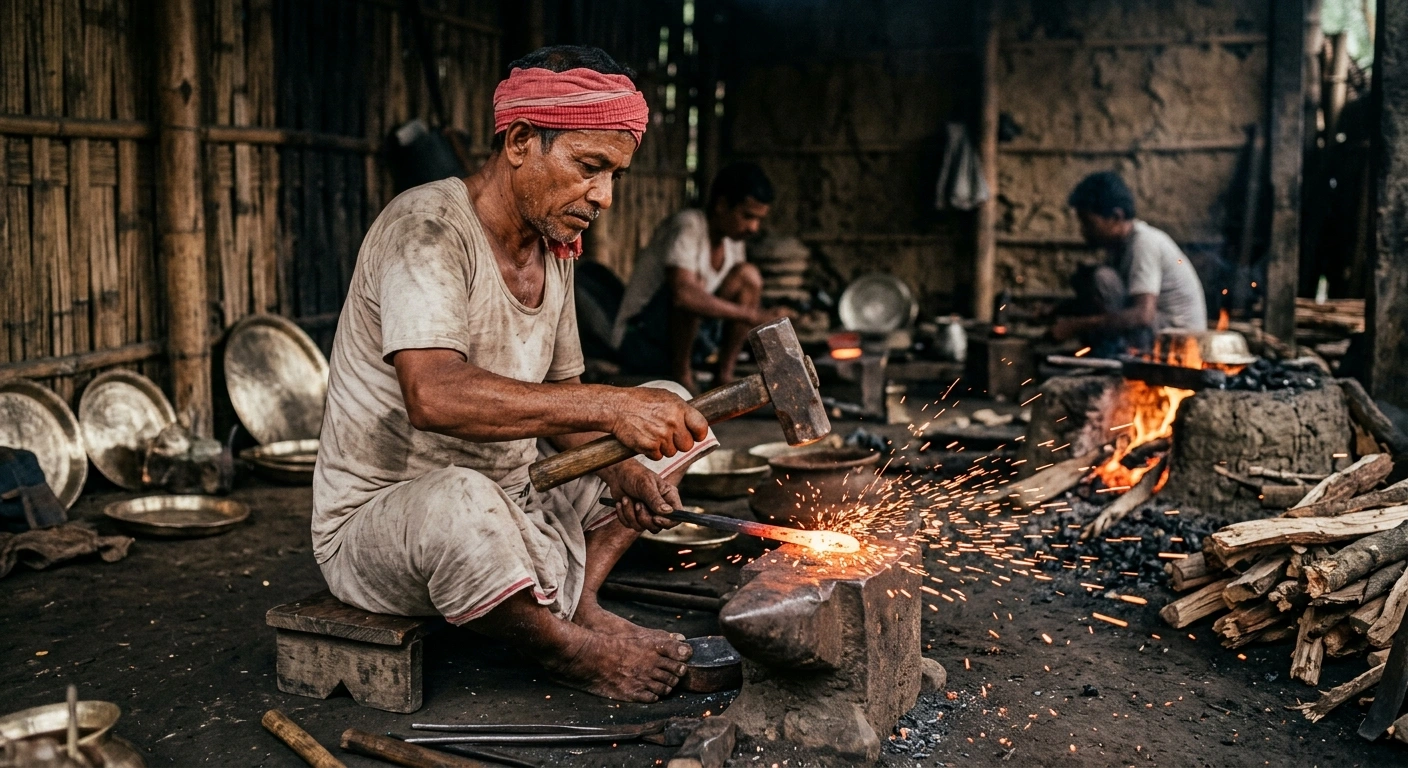
For centuries, Sarthebari artisans have created beautiful bell metal products.
Popular products include:
Each item is handcrafted using techniques inherited across generations.
The famous Assamese Xorai remains one of the state's most recognized cultural symbols.
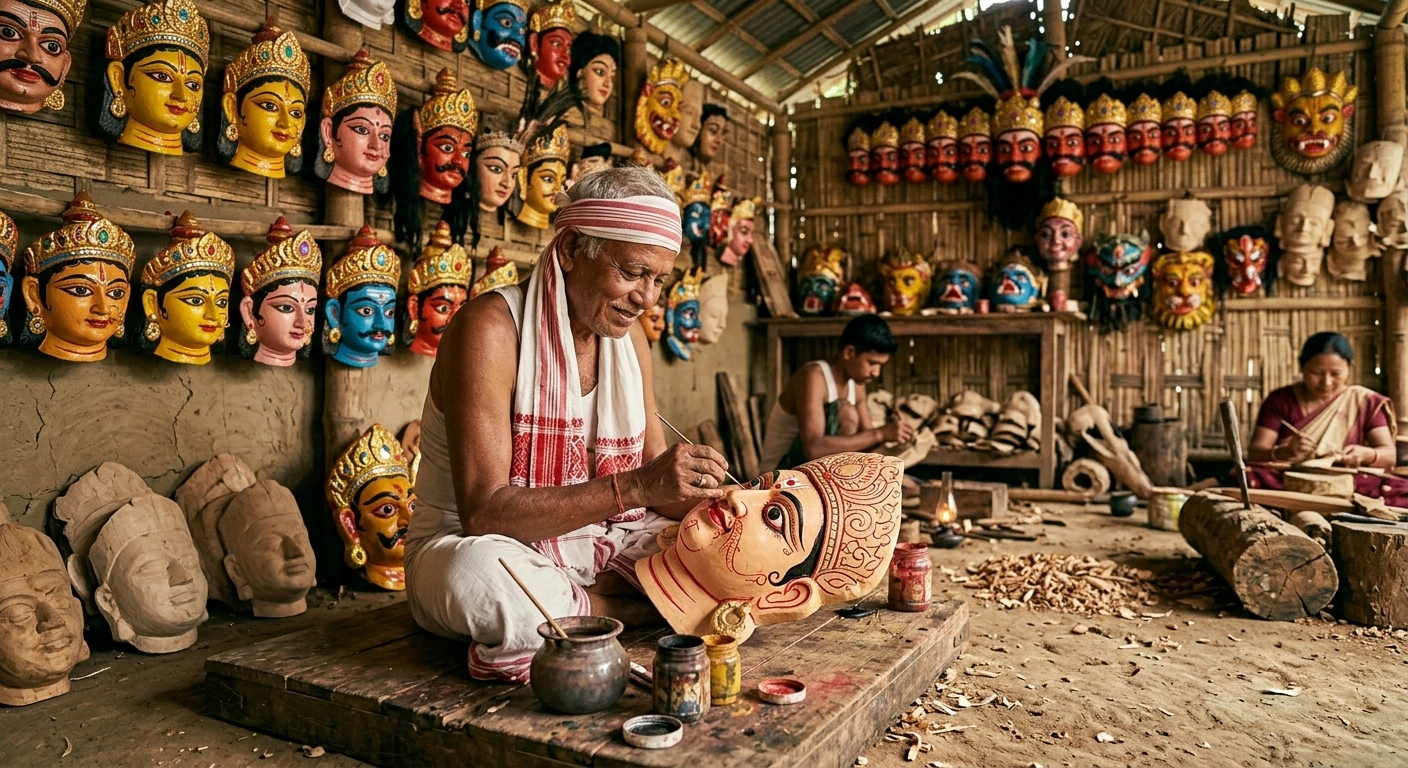
Majuli, the world's largest river island, is famous for mask-making traditions linked to Assamese Vaishnavite culture.
These masks are used in:
Made from bamboo, clay, cloth, and natural colors, each mask represents mythological characters from Indian epics.
Today, they are also collected as decorative art pieces worldwide.
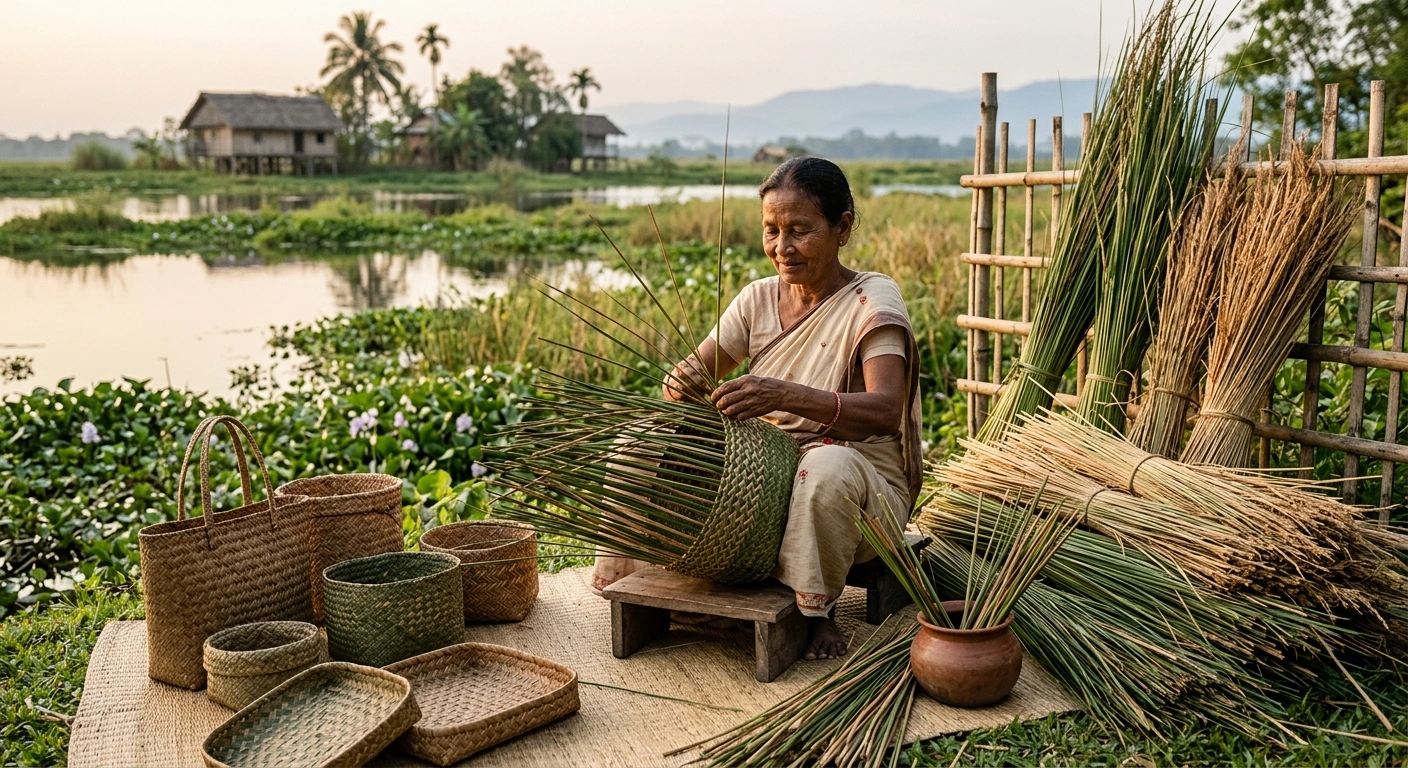
Morigaon is widely known for Kauna grass cultivation.
Local artisans create:
These products have become popular among eco-conscious consumers seeking alternatives to plastic.
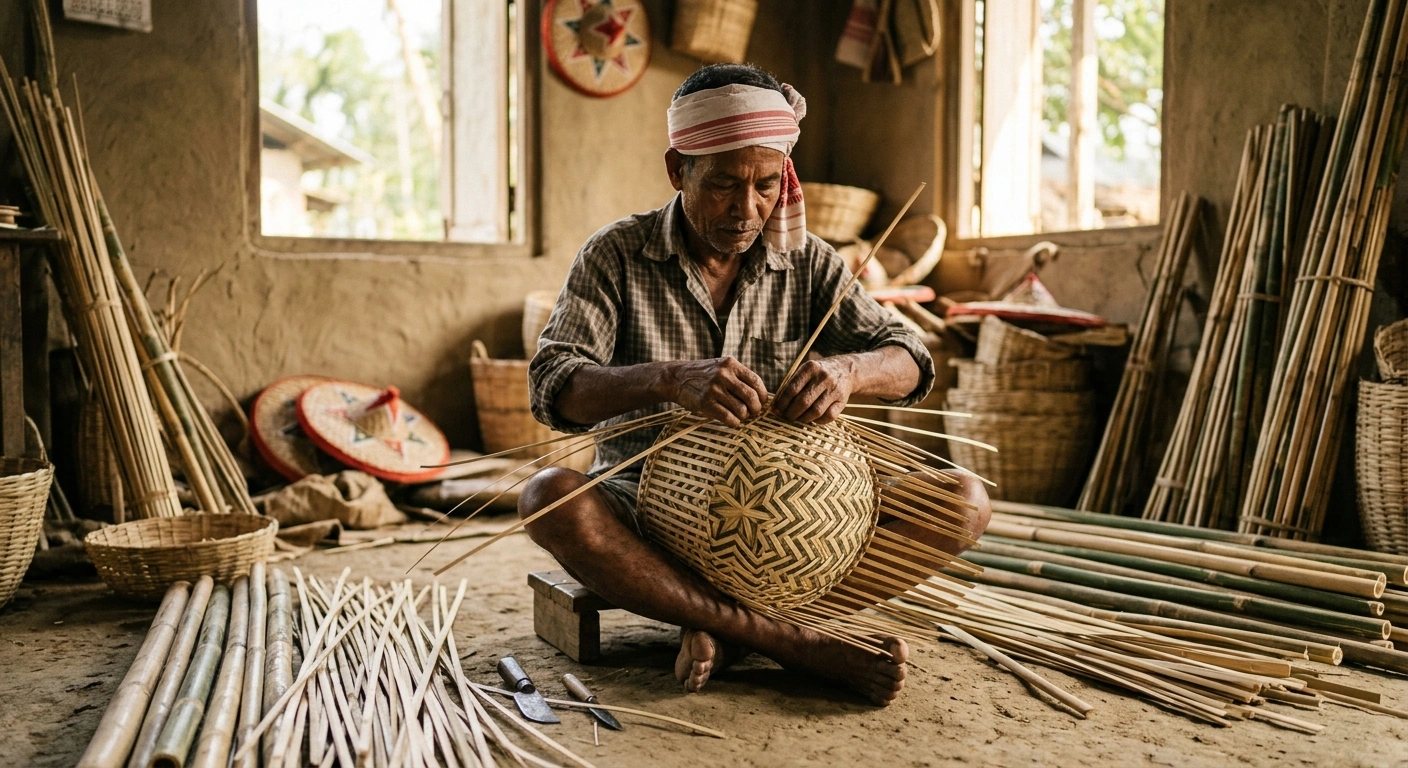
Barpeta's bamboo artisans transform simple bamboo into remarkable creations.
Products include:
Bamboo is one of the world's most sustainable materials, making these crafts increasingly relevant in modern markets.
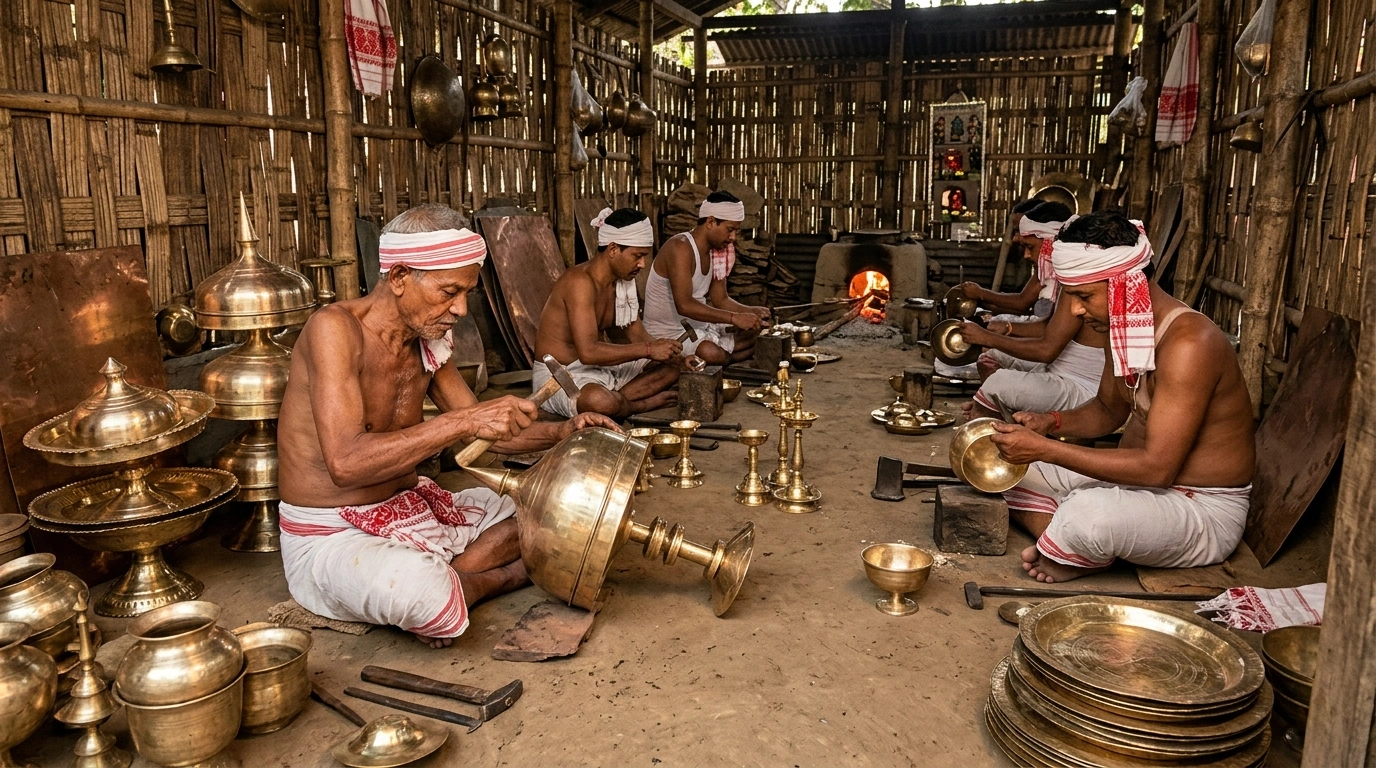
Hajo's artisans produce religious and ceremonial products used in temples and homes across the region.
Their craftsmanship reflects Assam's spiritual and cultural diversity.
These products are not simply commodities.
They represent:
Centuries of knowledge and tradition.
Natural materials and low-carbon production.
Thousands of artisan families depend on these crafts.
Each product tells the story of its district.
Traditional skills survive when consumers choose handmade products.

Today, global consumers increasingly seek:
Assam's district products perfectly align with these values.
A Kauna basket from Morigaon.
A Muga silk stole from Sualkuchi.
A mask from Majuli.
Each piece brings a story from Assam into homes around the world.
They buy:
Real stories behind real makers.
Responsible consumption.
A connection to centuries of tradition.
Handmade products are never identical.
Supporting artisan communities.
That is the true power of Assam's One District One Product movement.
Assam is more than a destination.
It is a living museum of craftsmanship.
Behind every woven basket, handwoven silk garment, bamboo creation, bell metal artifact, and traditional mask lies a story of skill, culture, and dedication.
The One District One Product initiative helps bring these hidden treasures to the world stage.
At UNEKALAA, we celebrate these artisans, their districts, and the extraordinary products that represent the soul of Assam.
Because every district has a story.
And every handmade product carries a legacy.

0 items
0 items
0 items

2 items
1 items

2 items

0 items

0 items

1 items



Comments